
Learning-by-doing: Third year
This approach is reflected in the motto adopted from the institution's inception: Learning-Doing, encapsulated in the Latin expression "Labor Omnia Vincit" (Work Conquers All).
Since its inception, Zamorano has been guided by the constructivist approach in its educational model, led by Wilson Popenoe, our first director. This theory of learning holds that our students construct knowledge through direct experiences, hands-on work, and social interaction with their environment.
The emphasis on experiential learning allows not only to acquire knowledge, but also to develop values and skills in an active way, either individually or in collaboration with others.
This approach is reflected in the motto adopted from the institution's inception: Learning-Doing, encapsulated in the Latin expression "Labor Omnia Vincit" (Work Conquers All).
A-Transversal Knowledge Modules
They are the basis for the different value chains, offered by specific departments and applied along them.
B-Value Chain Modules
They are part of the value chains and are offered by the corresponding departments according to their areas of focus.
C-Integral Modules
Value chains conclude their last step and prepare to offer and manage products in the market.
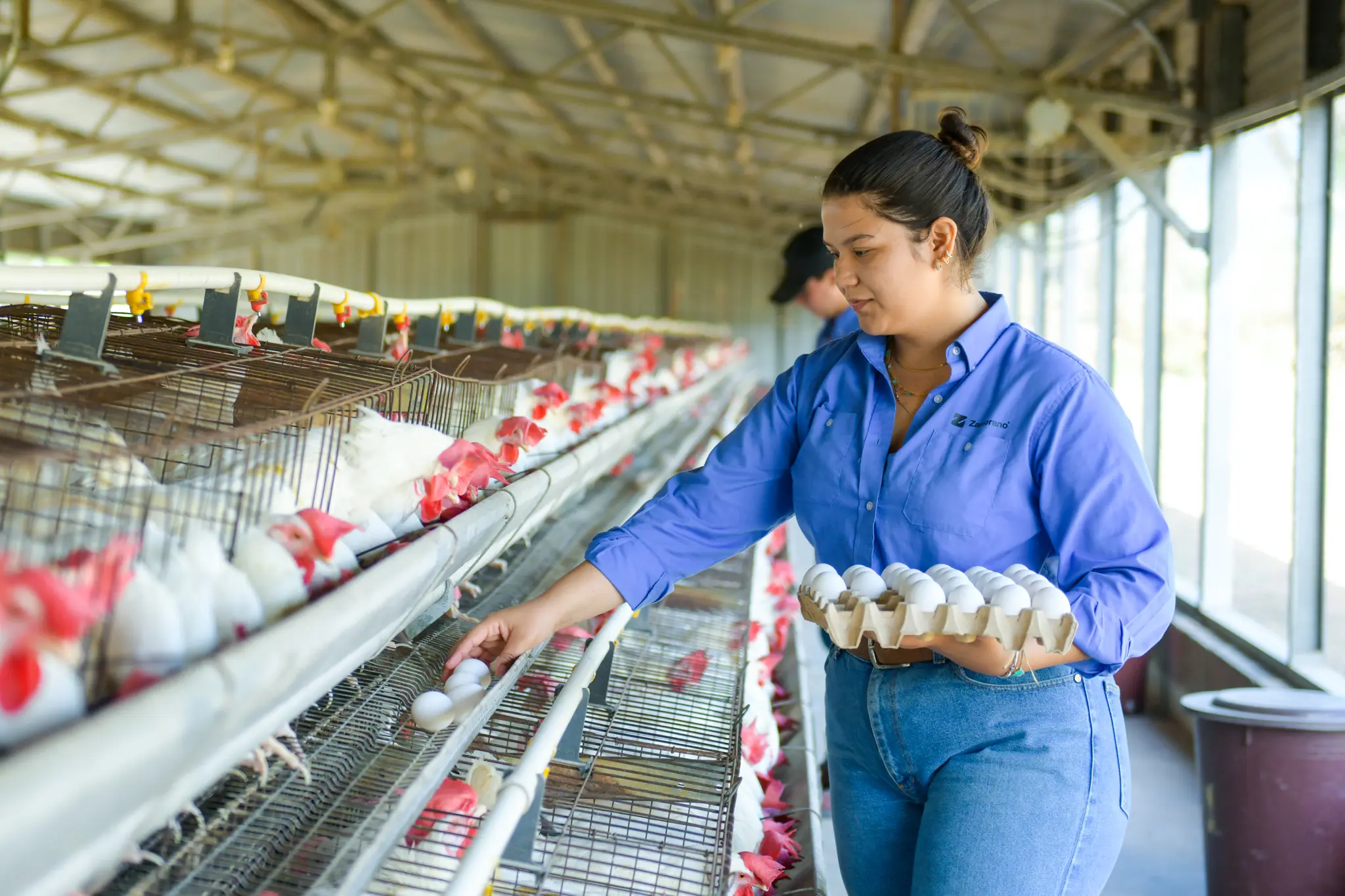
Module: Poultry Unit
Description and general objective of the module:
Este módulo está diseñado para que las personas comprendan los
fundamentos de la producción avícola en sistemas de engorde y postura. En este módulo, desarrollan habilidades en
bioseguridad, manejo de aves, incubación y formulación de dietas. A su vez, se abordan aspectos relacionados con los
sistemas de producción avícola, los parámetros productivos y el manejo de pollos de engorde y gallinas ponedoras.
- Apply biosecurity measures to prevent and avoid the entry of pathogenic agents that may affect animal health and well-being through work teams committed to obtaining the best performance.
- Implement vaccination plans and work in work teams according to their application routes in birds through teamwork for the prevention and eradication of common diseases in production systems, guaranteeing their productivity.
- Identify productive activities necessary to guarantee the quality and safety of products in the production chain.
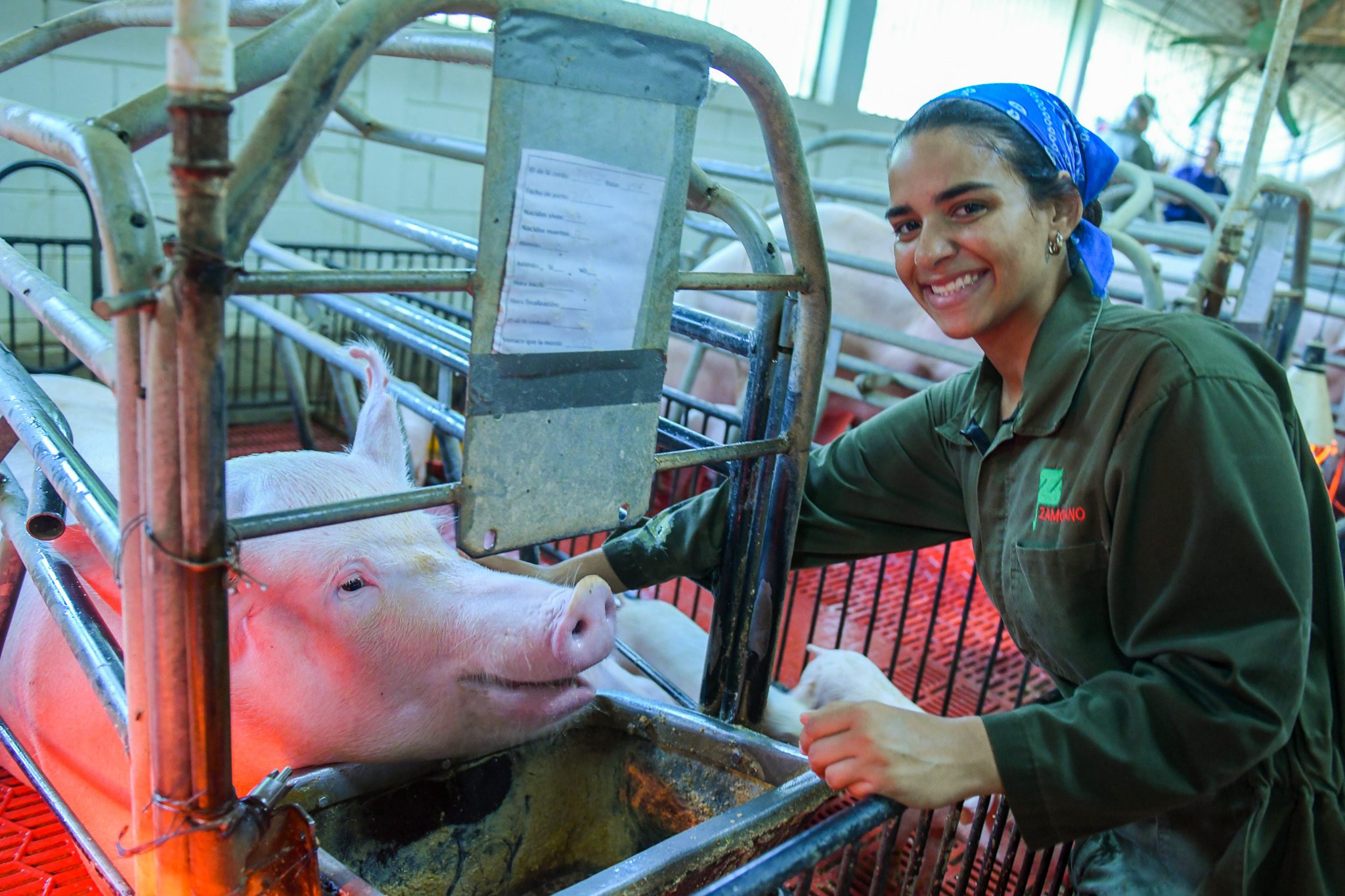
Module: Pig Cattle
Description and general objective of the module:
In the Pig Livestock module, students apply pig production techniques, through the development of skills in animal management, nutrition, health and reproduction, under intensive pig exploitation systems. The module offers, through practical experience, the opportunity to develop analysis and interpretation skills and to perform in the different roles of the processes involved in a pig production system.
At the end of the module, the student will be able to carry out pig farm management practices following procedures and safety measures to achieve better production parameters.
- Carry out piglet management practices at birth and identify the physical and productive differences of the breeds of pigs found on the farm following the procedures and safety measures established to achieve better productive parameters.
- Perform surgical castration practices on pigs using established procedures and safety measures to ensure meat quality of pigs sent to harvest.
- Supervise the natural mating process following established procedures and safety measures to achieve high reproductive rates on the pig farm.
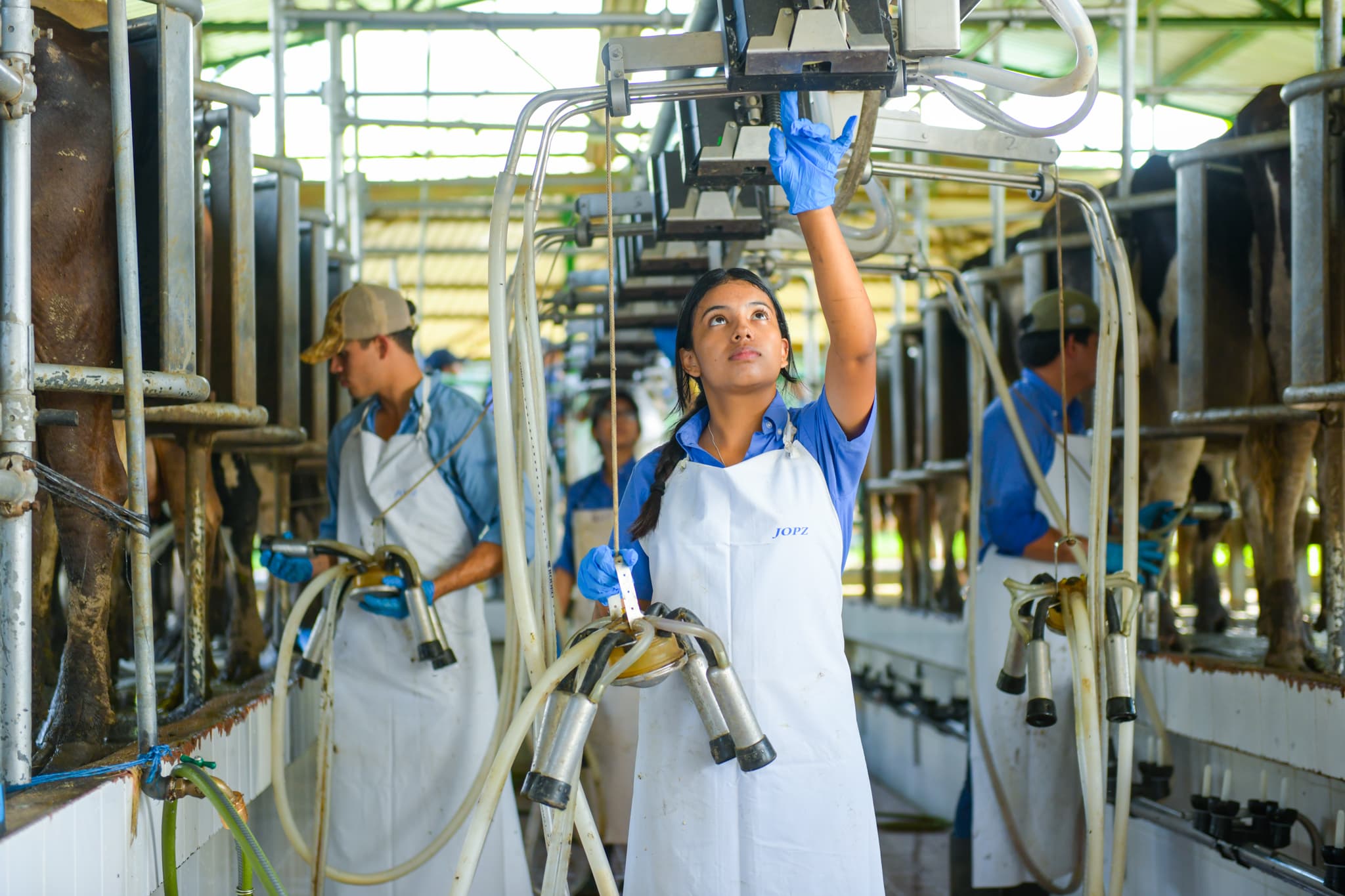
Module: Dairy Cattle
Description and general objective of the module:
Este módulo permite a la comunidad estudiantil aprender sobre
las prácticas de manejo del ganado lechero y en los procesos de ordeño mecanizado bajo protocolos de higiene y seguridad. Cada
estudiante desarrolla habilidades en la evaluación de la calidad de la leche, el manejo de la alimentación y el análisis de raciones para vacas lecheras. Como complemento, se abordan aspectos relacionados con el manejo de pasturas, condición corporal y evaluación de la producción durante la lactancia.
- Carry out mechanized milking practices applying the hygiene and safety protocol, which guarantees the quality of the milk in efficient milking.
- Apply treatments for the main pathologies that affect the health of cows and ensure the health of the cows reflected in the body condition.
- Analyze the feeding system by evaluating the total mixed ration and estimates of biomass in pastures for the correct nutrition of the dairy cow.
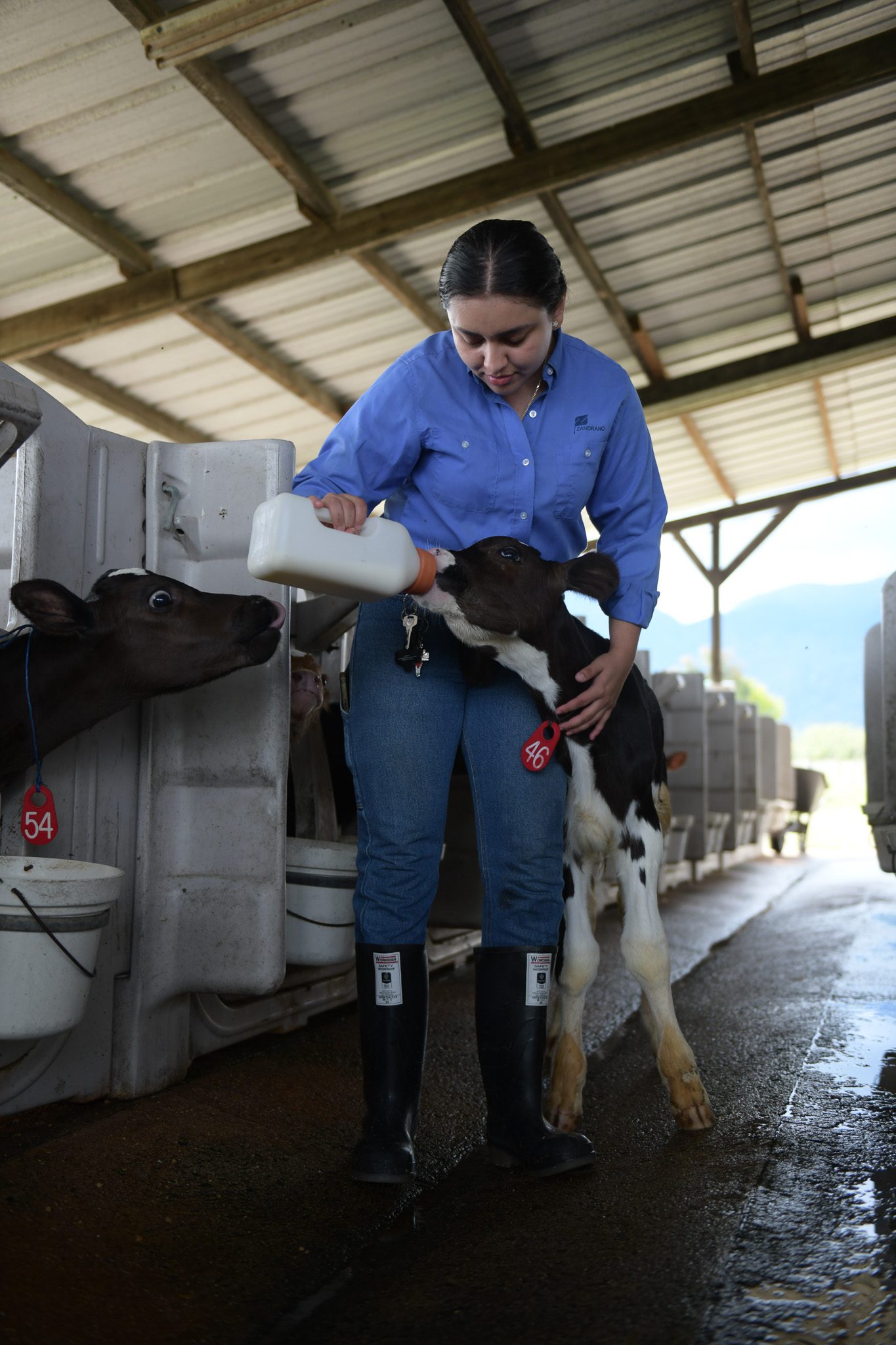
Module: Replacement Management (Calves and Heifers)
Description and general objective of the module:
In this module students learnthe application ofartificial rearing procedures for calves using management, nutrition, reproduction and animal health criteria. The student carries out practices in all phases of artificial rearing of a calf until its last third of gestation, to be transferred to the milking section where its productive cycle begins. The module is divided into two subsections:calves and heifers.
Upon completion of the module, the student acquires comprehensive competencies in the efficient management of dairy cattle production, management of the newborn and care of replacement calves, as well as the implementation of feeding and management practices that guarantee the optimal development and reproductive maturity of the heifers, thus contributing to obtaining of animals of high genetic an d productive value on the dairy farm.
- Know the techniques for bovine identification throug hearringand tattoos necessary for managing dairy farm records.
- Understand management of the newborn by applying techniques such as: colostrum feeding, navel healing, registration and application of medications, dehornand measurement of colostrum quality by means of colostrometerto guarantee adequate development of replacement calves and obtain high-value animals.
- Implement adequate feeding and management of the heifer in the rearing phase to achieve adequate daily weight gains and reproductive maturity.
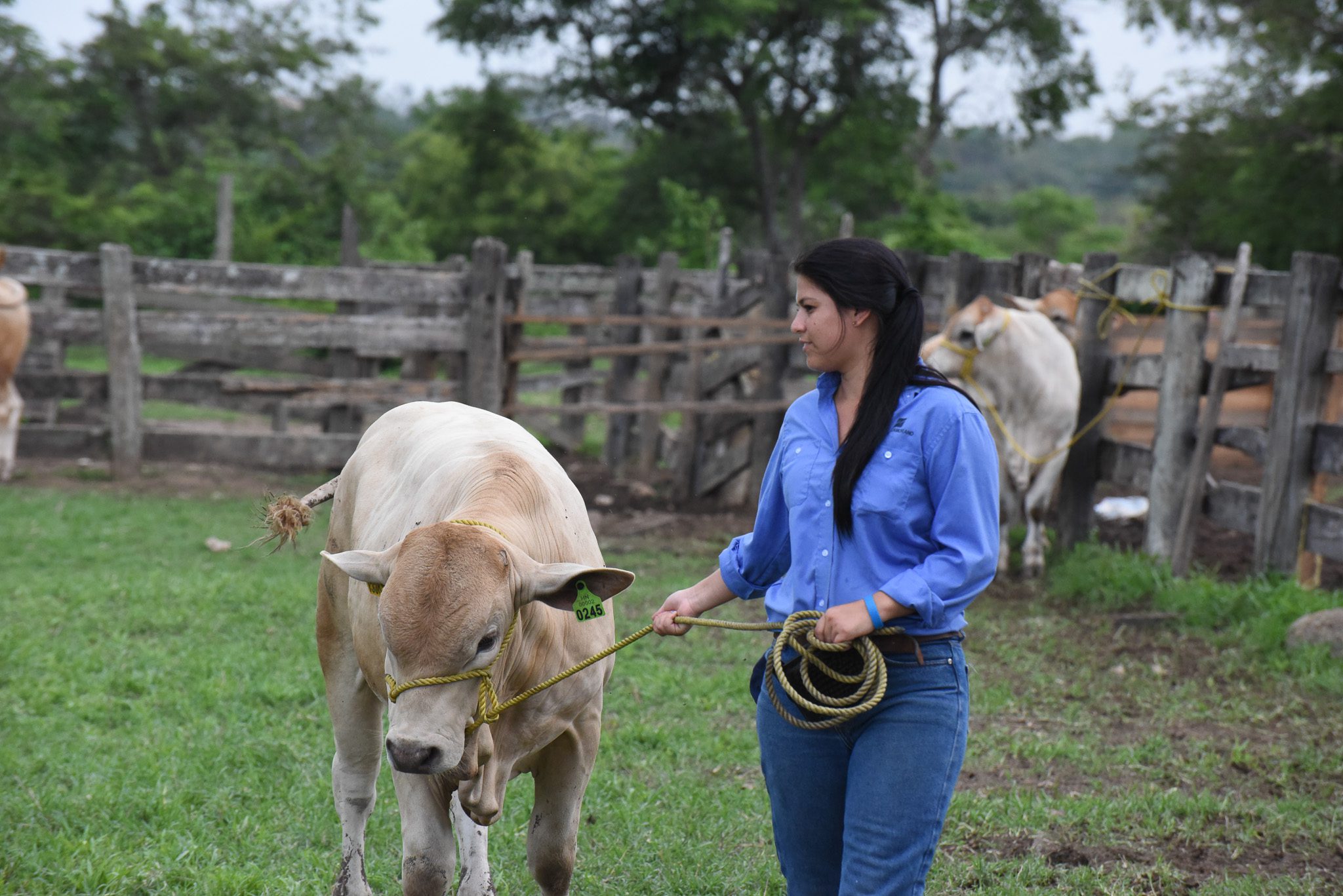
Module: Beef Cattle
Description and general objective of the module:
Este módulo ofrece a la comunidad estudiantil una formación en
los principios de la producción sostenible de ganado de carne. Durante el módulo, cada persona desarrolla habilidades en el
reconocimiento de razas, manejo del hato y estrategias de suplementación. Además, se abordan prácticas de manejo de pastoreo, conservación de forrajes y técnicas orientadas a mejorar la eficiencia productiva en sistemas de ganadería bovina.
- Apply basic principles of supplementation in a beef cattle herd for the optimization of nutrition in sustainable production systems.
- Identify the different breeds of cattle and their characteristics for meat production.
Module: Aquaculture
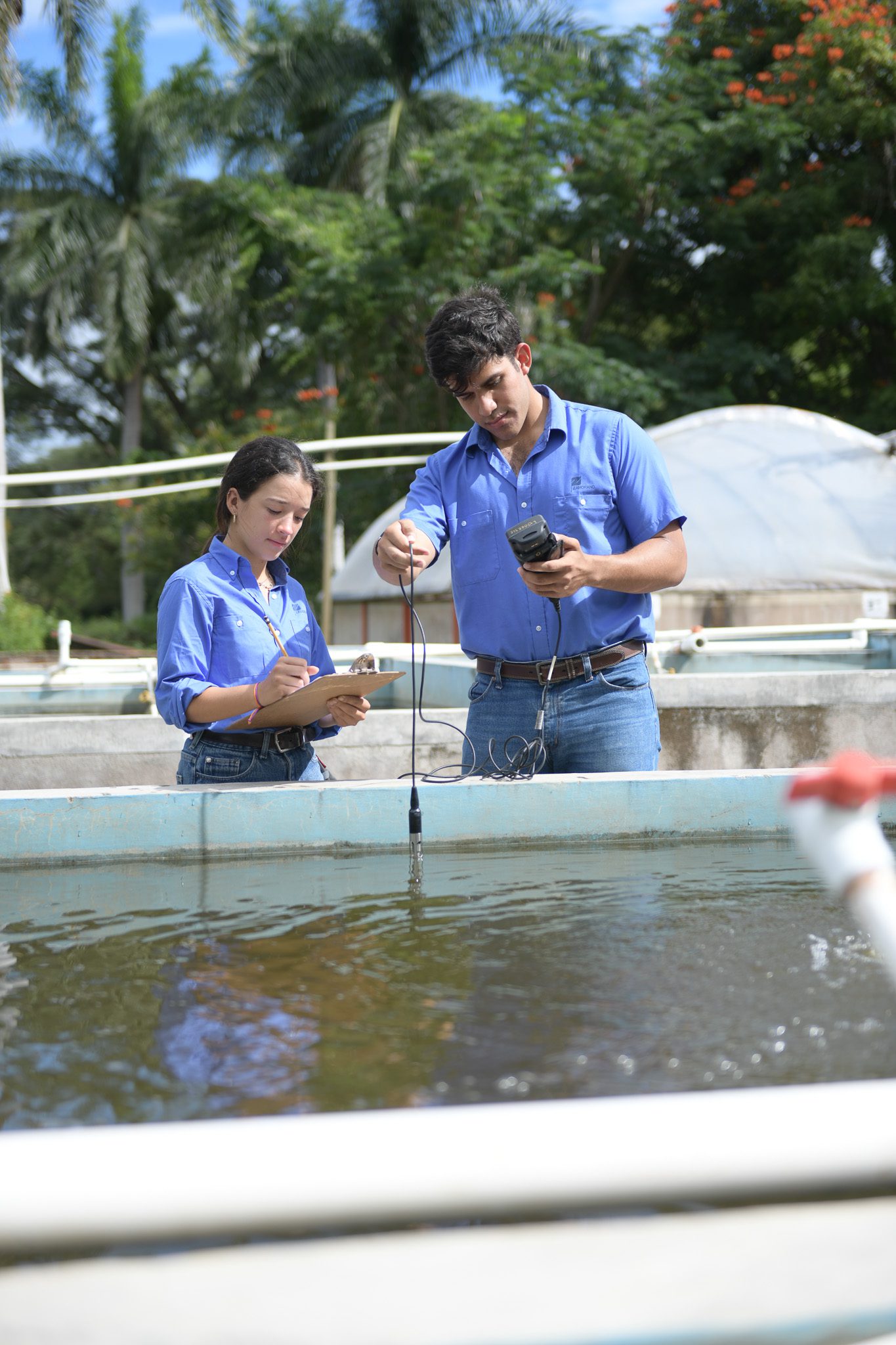
Description and general objective of the module:
Este espacio formativo permite a las personas conocer y aplicar los principios básicos de la acuacultura con énfasis en la producción sostenible de tilapia. Se desarrollan habilidades en manejo de sistemas de producción, alimentación, densidad de cultivo y monitoreo de parámetros productivos. También se abordan aspectos relacionados con la calidad del agua, sanidad, reproducción y cosecha en sistemas de producción acuícola.
- Interpret the global and Latin American panorama of aquaculture considering the problems of risk management and climate change and its applicability in sustainable agriculture.
- Manage basic practices in tilapia production: sampling, egg collection, sexing, feeding, cy alidad cy alityof water to contribute to food security.
- Use basic concepts of production and planning in an aquaculture farm to achieve the economic sustainability of the business.
Module: Dairy Plant
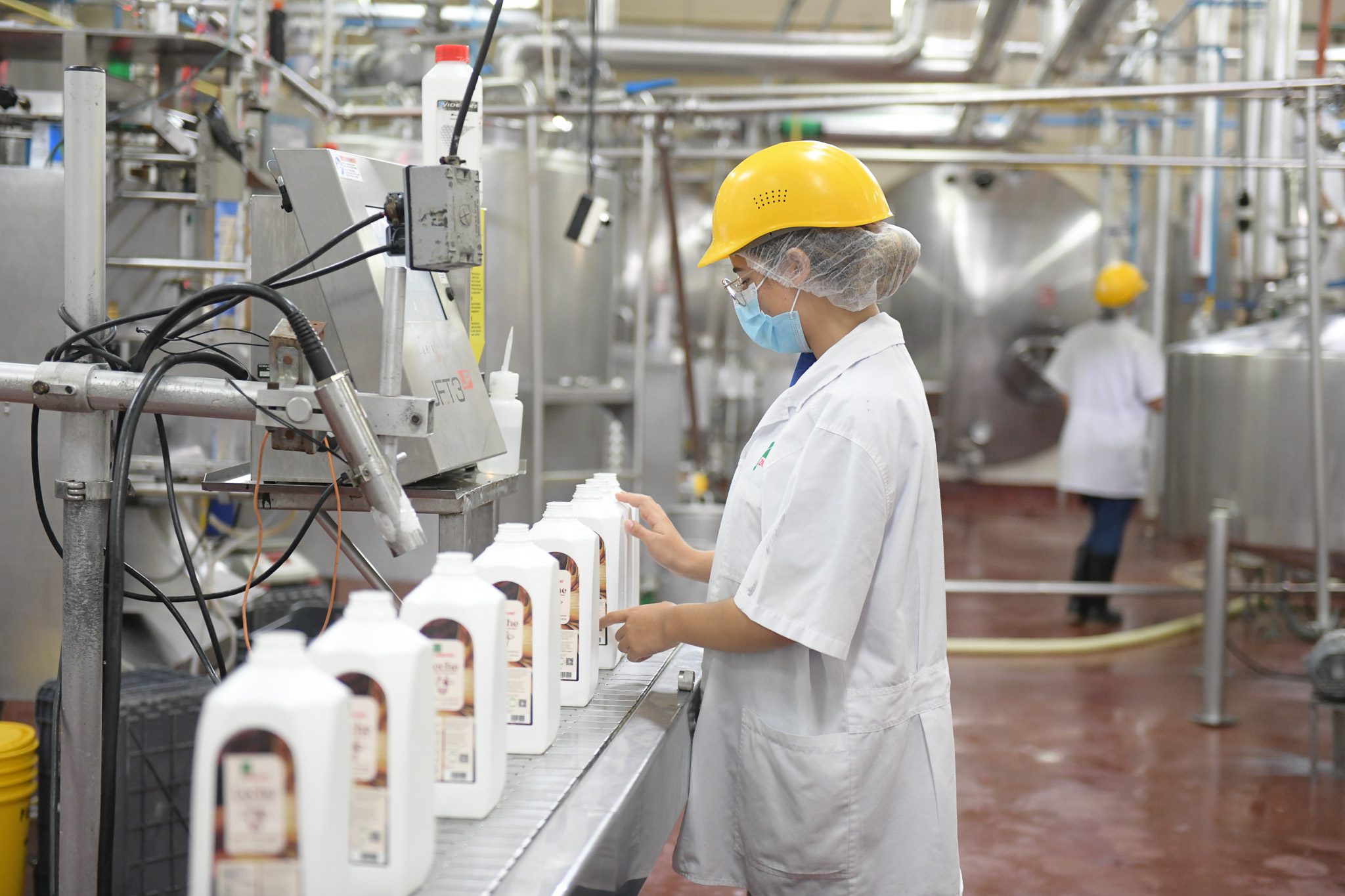
Description and general objective of the module:
Este módulo brinda a cada estudiante la oportunidad de aprender sobre los procesos de producción y transformación de productos lácteos bajo estándares de calidad e inocuidad. Además, las
personas desarrollan habilidades en la evaluación de la calidad de la leche, estandarización, pasteurización, homogenización y envasado. Se abordan los fundamentos del procesamiento de productos como quesos, yogur y helados, así como los efectos de los diferentes procesos en la calidad del producto final.
- Explain the characteristics of dairy products and the stages of the raw material transformation process to produce said products.
- Identify the main parameters for evaluating raw milk and the methods that can be used to evaluate these parameters.
- Solve basic milk standardization problems.
Module: Meat Plant
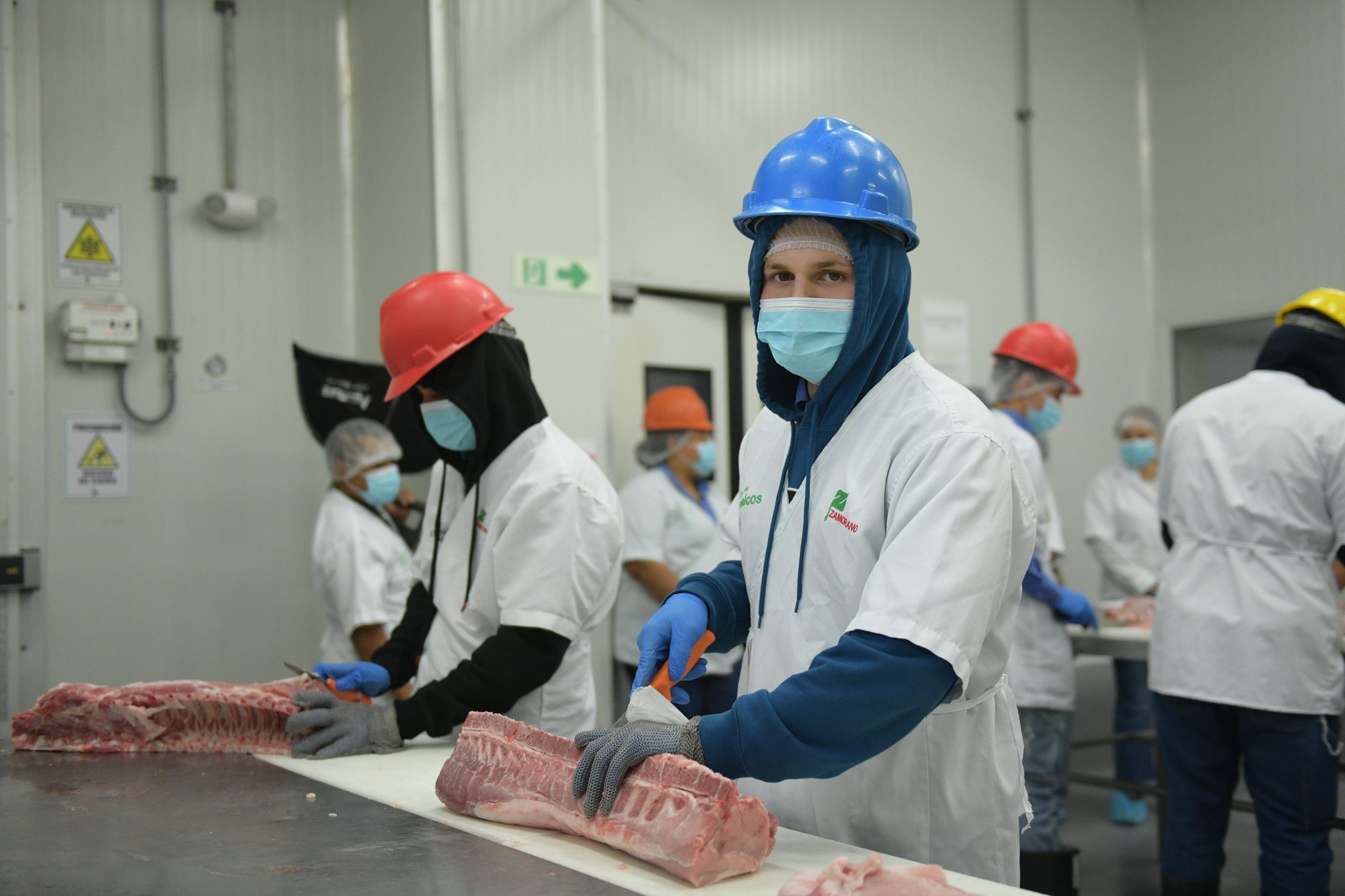
Description and general objective of the module:
Este módulo introduce a los estudiantes en los procesos de
cosecha, desposte y procesamiento de productos cárnicos bajo estándares de inocuidad y calidad. Durante el módulo, los
estudiantes desarrollan habilidades en el manejo antemortem, rendimiento de canales, mejoramiento de la carne y uso de maquinaria especializada. También, se abordan técnicas de procesamiento como la elaboración de embutidos, almacenamiento y empaque, así como aspectos de costos, sostenibilidad e innovación en la industria cárnica.
- Apply the harvesting processes of cattle and pigs and their need for quality and safety control to produce carcasses suitable for human consumption and discuss the biochemical transformation from muscle to meat to ensure product quality and safety processes.
- Apply the deboning processes of cattle and pigs, valuing the areas of the channel based on the quality of the meat and consumer preferences, managing to formulate brines and improvement processes for fresh meat to improve the quality of the product offered to the consumer.
- Apply processing methods for various meat products, exposing process parameters and explaining safety programs and critical process control points; calculating variable costs in the meat industry and establishing market prices.
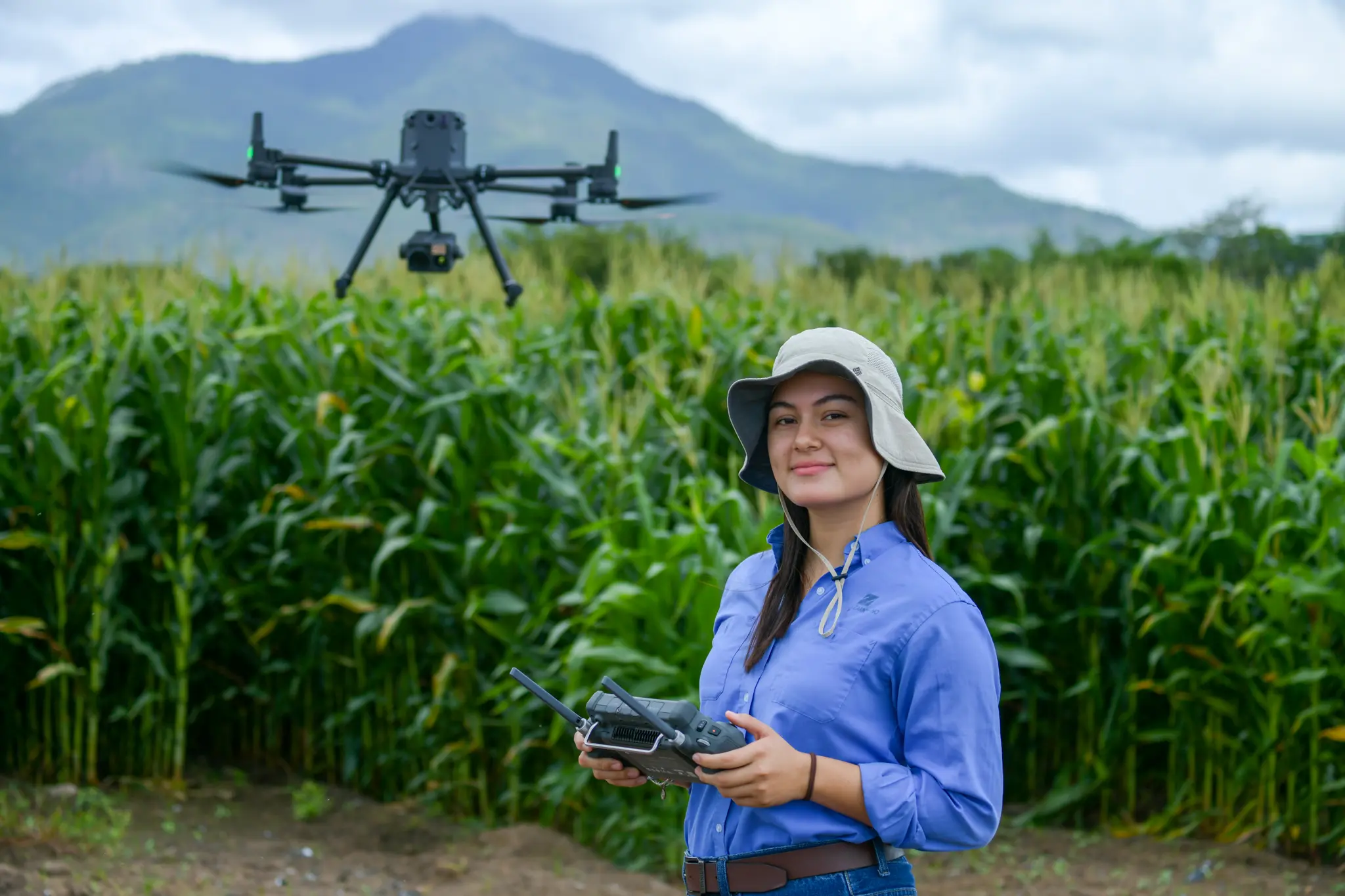
Módulo: Introducción a la Agricultura de Precisión
Description and general objective of the module:
En el marco de este módulo, cada estudiante profundiza en el uso de tecnologías digitales para la captura, análisis e interpretación de datos en sistemas agropecuarios. Las personas que participan en este módulo desarrollan habilidades en georreferenciación, uso de sensores, análisis de imágenes y generación de mapas para la toma de decisiones. Además se abordan aplicaciones de vehículos aéreos no tripulados (VANT) y herramientas tecnológicas orientadas a mejorar la eficiencia y sostenibilidad de la producción agropecuaria.
- Apply data capture and collection techniques linked to agricultural production to optimize the use of resources considering the principles of bioethics and sustainability.
- Analyze data linked to agricultural production and resource management to contribute to knowledge, organization and decision making.
- Generate proposals for the management and operation of resources based on the analysis of data for efficiency in the use of resources and optimization of productive capacity.
Módulo: Administración de empresas Agropecuaria
Description and general objective of the module:
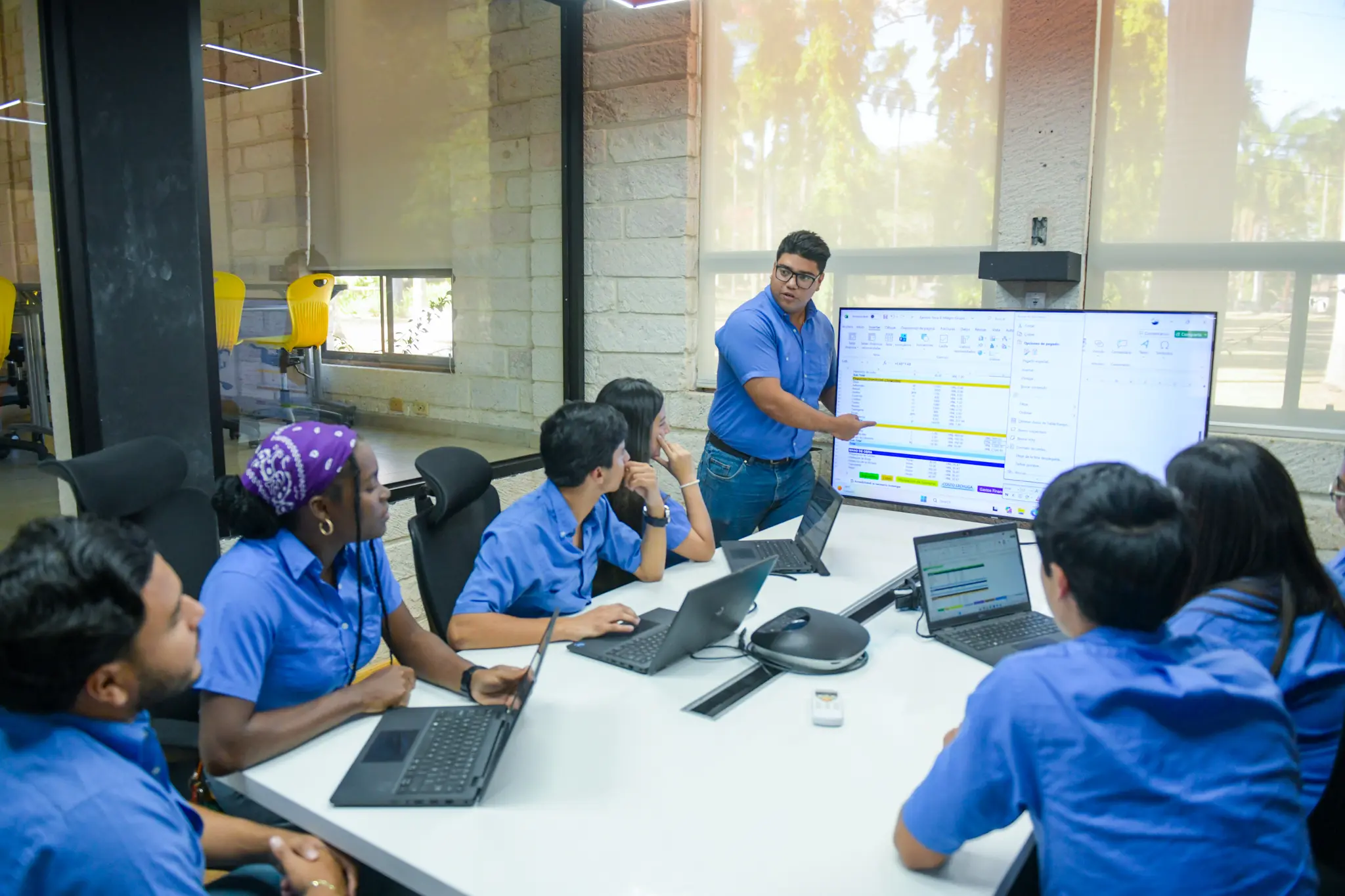
Este módulo está diseñado para que la comunidad estudiantil
comprenda los principios de la administración aplicados a la gestión de empresas agropecuarias. Además busca que cada persona desarrolle habilidades en planificación estratégica, análisis de mercados y elaboración de presupuestos para actividades productivas. Como complemento, se abordan herramientas de planeación operativa y análisis financiero orientadas a la toma de decisiones y al manejo eficiente de los recursos en una explotación agropecuaria.
- Use techniques for planning livestock farms with emphasis on cattle.
- Analyze control techniques for livestock farms through the use of technical records for their implementation.
Módulo: Comercialización y Marketing Digital
Description and general objective of the module:
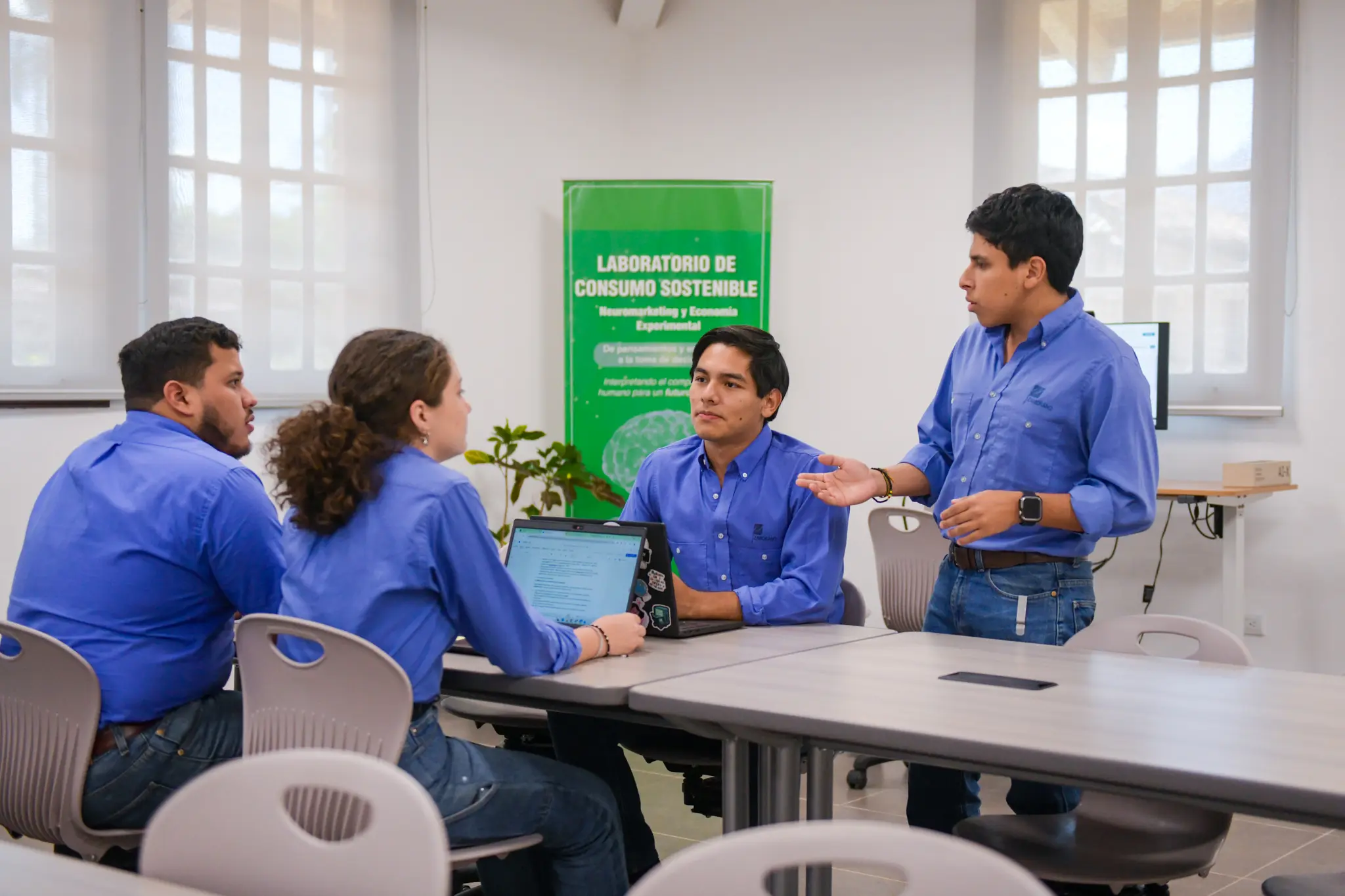
Este módulo proporciona a cada persona una base sólida en los
principios de la comercialización y el uso de herramientas de marketing digital aplicadas al sector agroalimentario. Durante
el módulo, cada estudiante desarrolla habilidades en análisis de mercados, gestión de puntos de venta, negociación y uso de herramientas como CRM y comercio electrónico. Se promueve el análisis de datos, estrategias de branding y la relación con clientes para fortalecer los procesos de venta y posicionamiento de productos.
- Describe the marketing process in a retail buying and selling business.
- Analyze historical sales information identifying its usefulness in decision making.
- Apply concepts involved in managing and operating a retail purchasing and selling business.
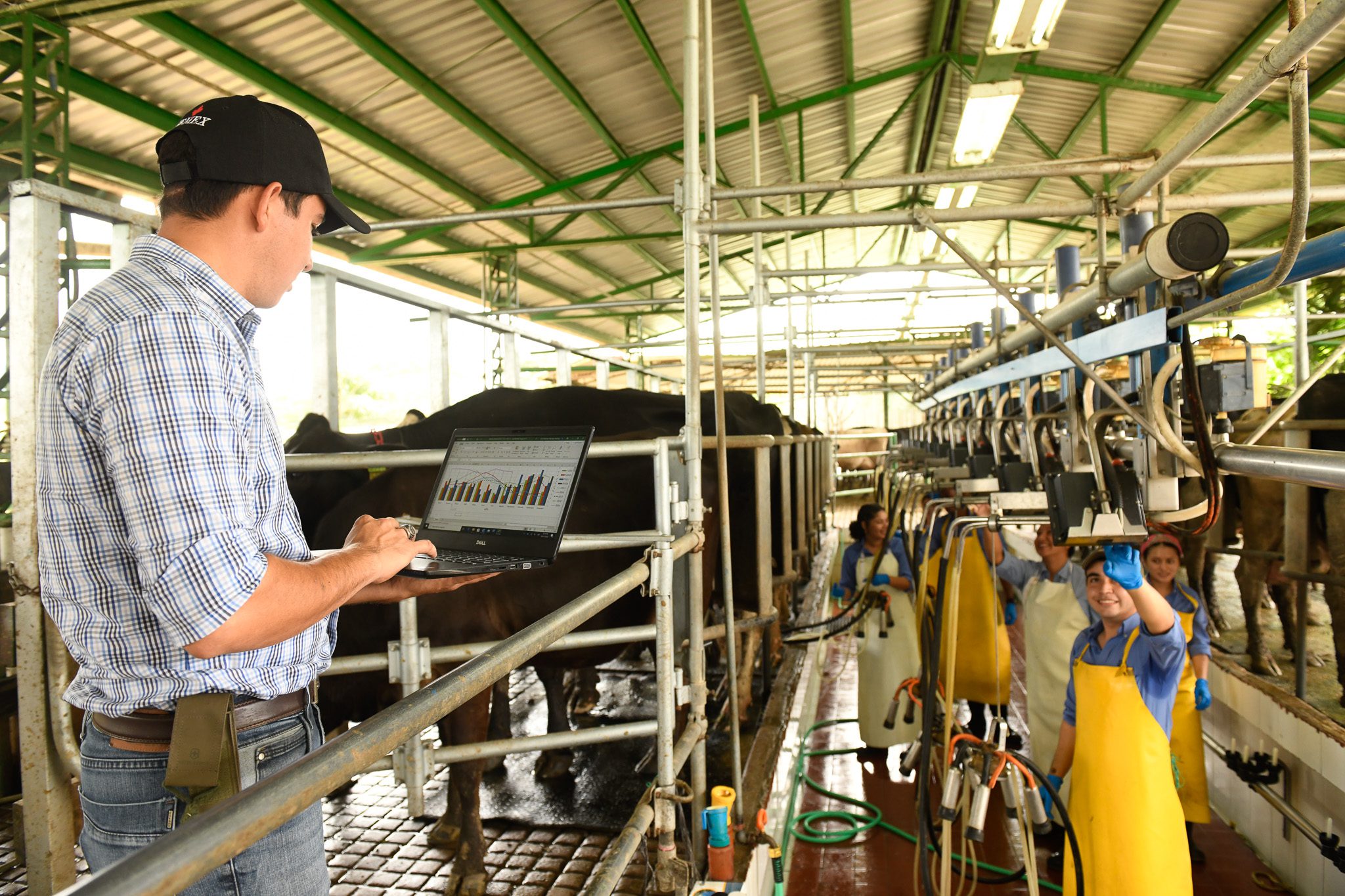
Módulo: Reproducción y Sanidad Animal
Description and general objective of the module:
Este espacio formativo permite conocer sobre los principios básicos de la biotecnología reproductiva y el manejo sanitario en sistemas de producción animal. Cada estudiante desarrolla habilidades en la recolección, evaluación y criopreservación de semen, así como en el diagnóstico y tratamiento de enfermedades comunes. Como complemento, se abordan aspectos relacionados con la administración de medicamentos, bioseguridad, vacunación y bienestar animal.
- Use techniques for planning livestock farms with emphasis on cattle.
- Analyze control techniques for livestock farms through the use of technical records for their implementation.
See all modules
- Contact an admissions counselor
- Register and create your applicant profile
- Complete the online admissions test
 English
  Spanish